微波酸水解A Kinetic Study on Acid Hydrolysis of Oil Palm Empty Fruit Bunch Fibers Using a Microwave Reactor System
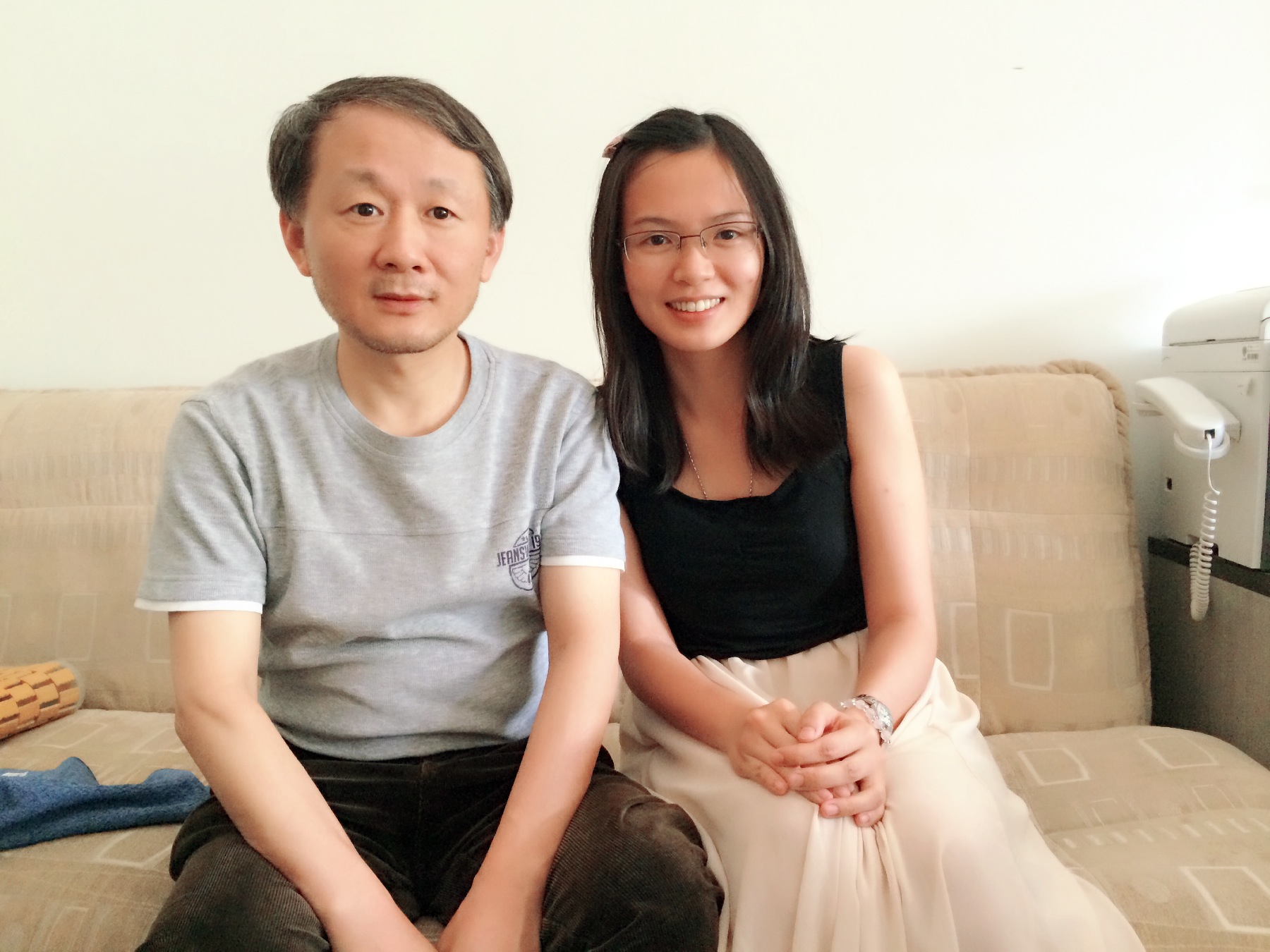
陈秀娴小姐和方真研究员
A Kinetic Study on Acid Hydrolysis of Oil Palm Empty Fruit Bunch Fibers Using a Microwave Reactor System
Climate change and rising oil prices have urged the needs for researching alternative energy. Among possible alternative resources, lignocellulosic biomass is one of the promising raw materials, which has been intensively studied recently.Lignocellulosic materials consist of cellulose, hemicellulose and lignin. The different sources and type of lignocellulosic materials such as agricultural wastes/residues, wood, water plants, etc., are well known as a starting material for various chemicals feedstocks, such as bioethanol and biofuel.
In Malaysia, about 17 million tons of oil palm EFB is produced from the palm oil extraction process every year. Oil palm EFB fibres compose of about 40% cellulose 30% hemicellulose, and 22% lignin. Among potential lignocellulosic materials in Malaysia, oil palm EFB fibre is one of the most potential resources due to its abundant availability and low cost. Chemical components in oil palm EFB fibres, particularly the cellulose and hemicellulose, can be converted into fermentable sugars via acid or enzymatic hydrolysis and other basic chemicals. C5 sugars can be hydrolyzed and decomposed into furfural and other chemicals, while C6 sugars can be converted into 5-hydroxymethyl-furfural (5-HMF), levulinic acid (LA), formic acid, etc.
Miss Siew-Xian-Chin, a PhD student, co-supervised by Dr. Chin-hua CHIA (National University of Malaysia) and Prof. Zhen FANG (Biomass Group, Xishuangbanna Tropical Botanical Garden, CAS) successfully used oil palm EFB as raw material for kinetic study of acid hydrolysis of EFB fibres into different chemical components. This is a useful approach to understand the pathway and rate of hydrolysis process.
The aim of this work is to investigate the effect of reaction temperature (120-180°C) and sulfuric acid concentration (0.25-0.5 N) on the hydrolysis of oil palm EFB fibres into different products using a well-controlled microwave reactor to provide further insights into the acid hydrolysis mechanism of EFB fibres into different fine chemicals. A series of first order reactions model was used to develop the kinetic study of the acid hydrolysis of EFB fibres. The hydrolysis kinetics of the main intermediates, such as sugars (glucose and xylose), 5-HMF, LA, and acetic acid, was found to be dependent on temperature and acid concentration. The highest yield of xylose, glucose, 5-HMF, LA, and acetic acid are 11.21 g/L, 10.03 g/L, 0.50 g/L, 9.27 g/L, and 4.36 g/L, respectively. These kinetic parameters provide useful information and basic data for the practical use of EFB fibres to produce fine chemicals.
The study entitled “A Kinetic Study on Acid Hydrolysis of Oil Palm Empty Fruit Bunch
Fibers Using a Microwave Reactor System” has been published in Energy & Fuels, 2014, 28: 2589-2597, http://pubs.acs.org/doi/abs/10.1021/ef402468z
利用微波反应器系统对棕榈油果空壳纤维酸水解过程的动力学研究
随着气候变化和石油价格的不断上涨,人们日益认识到寻求能源替代品的迫切性,所以国内外研究者纷纷开展农业废弃物转化成高附加值产品的深入研究。在所有可替代资源当中,木质纤维素原料可作为较为理想的碳源。木质纤维素包括纤维素,半纤维素和木质素,其主要来源包括农业废物/残渣,木材,水生植物等途径,可作为生产各种化工原料,如生物乙醇和生物燃料的起始物料。
在马来西亚,在棕榈油提取过程中每年大约产生有17万吨棕榈油果的空壳,其主要成分约含有40%的纤维素,30%的半纤维素和22%的木质素。棕榈油果的空壳里含有的高含量的纤维素与半纤维素的化学成分,可以通过酸或酶水解转换成糖和其他基本化学原料,其五碳糖可被分解成糠醛和其它化学品,而六碳糖可以被转化成5-羟甲基糠醛,乙酰丙酸,甲酸等。由于此原料丰富的木质纤维素含量及其低廉的成本,使其成为研究能源替代品最具潜力的资源之一。
我园生物能源组(http://brg.groups.xtbg.ac.cn/)与Universiti Kebangsaan Malaysia联合培养的博士生陈秀娴小姐在导师谢振华副教授和方真研究员的指导下,利用微波反应系统稀硫酸水解棕榈油果的空壳为不同的化学成分,并对此化学反应做了一系列的动力学研究。这项工作的目的在于通过研究不同反应温度(120-180 ℃)及酸浓度(0.25-0.5 N)条件下对棕榈油果的空壳纤维酸水解产物的影响,为其酸水解过程机制提供进一步的见解。我们利用一系列的一级反应模型来进行棕榈油果空壳纤维酸水解的动力学研究,发现其水解动力学的主要中间体,如糖(葡萄糖和木糖),5-羟甲基糠醛,乙酰丙酸和乙酸,对温度和酸浓度具有一定的依赖性。在此过程中,木糖,葡萄糖,5-羟甲基糠醛,乙酰丙酸和乙酸的最高产率分别为11.21 g/L,10.03 g/L,0.50 g/L,9.27 g/L和4.36 g/L。这些动力学参数在利用棕榈油果空壳纤维生产精细化学品的过程中可以提供有效信息和数据基础,对其成为马来西亚棕榈油工业副产品的开发方向具有指导意义。
相关研究结果以A Kinetic Study on Acid Hydrolysis of Oil Palm Empty Fruit BunchFibers Using a Microwave Reactor System为题发表在国际专业期刊Energy & Fuels, 2014, 28: 2589-2597。
文章链接:http://pubs.acs.org/doi/abs/10.1021/ef402468z

祝贺Miss Siew-Xian CHIN (陈秀娴小姐)博士顺利答辩 succesfully passed her defence of dissertation on 27thJan 2015.